 Every so often a story surfaces of such a horrible case of abuse that a nation is shocked by the tale. We are memorized by a person's cruelty and continue to retell of the abuse in the form of books or movies.
Such was the case of the orphan servant girl, Mary Clifford.
When the Foundling Hospital (more on that later) opened it's doors to the orphans in London, it did so with the idea of teaching and reformation, in order to better society. Children would be apprenticed when they reached the appropriate age so that they could learn skills that would earn them a living. So that is how Mary Clifford and Mary Mitchell came to be in the service of Elizabeth Brownrigg as domestic servants.
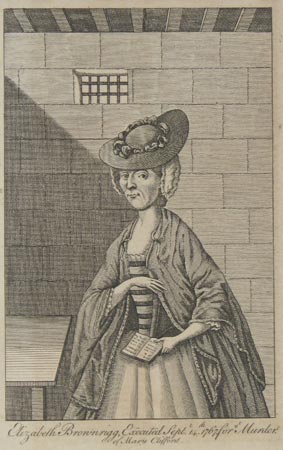
Elizabeth had a good reputation as a working class woman. She was a respected midwife and her husband a successful plumber. Because of this she was chosen to overseen children training to be servants. One day the Foundling Hospital found a girl on their doorstep who they had entrusted to Elizabeth's care. She was frightened and had run away from her employer, complaining of abuse. After a medical examination the Governors found the girl was telling the truth and issued a warning to Elizabeth's husband, that if he didn't curtail his wife's violence upon her servants they would be forced to take action.
 Instead of heeding the warning, Elizabeth seemed to grow more abusive, taking her anger out on Mary Clifford and Mary Mitchell. She punished the servants for my minor infractions by stripping them naked and tying them to a ceiling beam so she could whip them. Mitchell, like the previous servant, ran away to seek refuge but was brought back by Elizabeth's husband. The abuse continued and grew even worse for Clifford. Mary Clifford was stripped of her clothing, forced to sleep in a coal hole, and whipped for long durations, sometimes up to a whole day, while being strung up from the ceiling rafter. She was leashed around the neck with a chain to assure that she wouldn't try to escape. Because of the constant abuse, the girls' wounds never healed and became infected. Finally, the Brownriggs' neighbors reported their suspicions of the abuse to the Foundling Hospital. Now it was Elizabeth's turn to run away. She left with her son while her husband stayed behind and was consequently arrested. The girls were rescued and hospitalized, but it was a little too late for poor Mary Clifford who died within a few days from the infections.
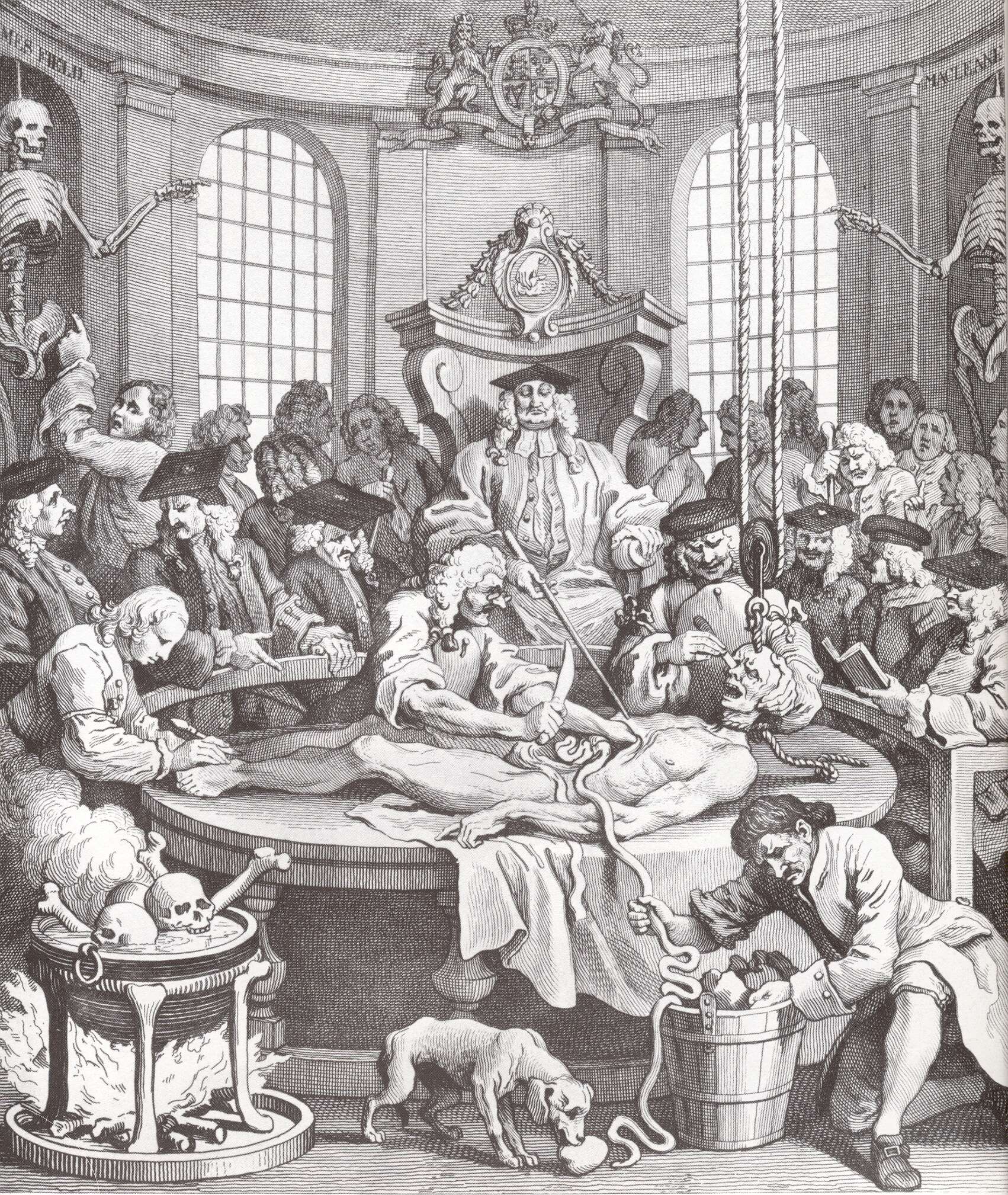
Shortly afterward a man was reading about the case in the newspaper when he realized his latest lodgers matched the description of Elizabeth and her son. He immediately contacted the constable and the Brownriggs were sent back to London to be brought to justice. The two Mr. Brownriggs were found guilty of misdemeanors and sentenced to six months in prison. Elizabeth did not get off so easy and was sentenced to death for her crimes of torture and murder. She was hanged at Tyburn and her body dissected for science (just as this Hogarth print shows, crime gets your body dedicated to science) and her skeleton was hung on display in the Surgeon's Hall as a reminder of the justice system.