O
One of the most beautiful and musically-gifted women of the late 18th century was Elizabeth Linley. Elizabeth, or Betsy (and even Eliza on occasion) as she was commonly known, was born in 1754 to the composer Thomas Linley and his wife Mary. Together, Thomas and Mary raised their twelve

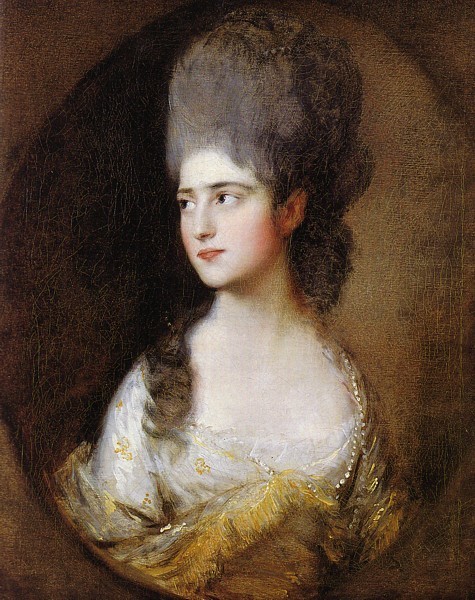
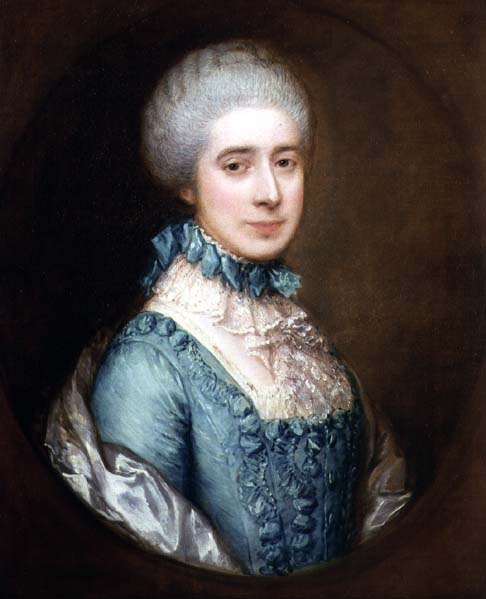
children to be just as musically talented as themselves. Think: Von Trapp family of Bath. Adorable little Betsy would stand outside the Pump Room selling tickets to her father's concerts. Betsy grew gracefully into a stunning Soprano and soon drew her own crowds in with her beautiful voice. By the time Betsey was barely fourteen she had all the guys drooling over her. She had a tall, slim figure, dark hair, and gorgeous porcelain skin. Thomas Gainsborough took notice of her right away. The artist had painted more than one portrait of the musical Linleys but he especially took notice of Betsy. His many portraits of her, flaunt her natural beauty.
Among the many admirers and young men begging for Betsey's hand was twenty year-old Richard Brinsley Sheridan. Sheridan was perhaps more interested in the chase, and the prize at the end was something he could rub in everyone's face. However, a certain Walter Long stood in his way. Long was really wealthy and about four times the age of Betsy. Thomas Linley pressured his daughter into the match for both the money and for the assurance than she would retire from the stage.
God forbid she become an actress! The two were

about to marry when Long randomly cut off the engagement, causing Thomas to fly into a rage. Rumors surfaced that Betsy had begged him to break it off. The whole drama resulted in a comedy to premiere at the Haymarket Theater called
The Maid of Bath.
Another drama quickly followed Betsy's broken engagement with Thomas Long. Sheridan saw his chance and swept Betsy off her feet. She agreed to marry him and the two eloped to France in 1772. Since both were underage, the marriage was invalid, and neither father approved. To save his daughter's reputation Thomas gave his blessing a month later and the two were accepted into polite society as a very talented and good-looking young couple.
While absconding away to France Betsy became very sick and almost died. Sheridan began to realize just how much Betsy meant to him and how he truly did love her, she wasn't just a prize anymore. Although Betsy survived, her illness was to be a precursor to the many that would follow throughout her life. Miscarriages soon burdened the new couple and it wasn't long before Sheridan began wandering into other women's beds. Betsy was devastated; the man she had chosen above others and at a huge risk, couldn't even be faithful to her. Still, they attended the political events and masquerades and men still marveled at her.
It was only a matter of time before Betsy finally had the courage to have her

own affair. Her choice: the hunky
Lord Edward Fitzgerald. Unfortunately the affair resulted in a pregnancy. Not only would her infidelity be discovered, it would put her life at serious risk. When Sheridan found out he had an usual reaction for a Georgian male with a big ego: he blamed himself. Instead of casting her out, he spent more time with her and helped her through the pregnancy which proved to be difficult. In fact after Eliza managed to deliver a baby girl her health depleted further and she succumbed to tuberculosis.
Betsy was dying and both she and Sheridan knew it. They went to Bristol in hopes that the hot wells would improve her health. Sheridan tried to support his wife but seeing her dying in front of him torn him up from the inside. One night he found her playing piano, "with tears dripping on her thin arms," a shadow of her former self. Not long afterward Elizabeth died. Sheridan, in tears, held her hand, while she told him to stop crying or to leave the room, for she could not bear the sight when she needed fortitude. The guilt after her death sent Sheridan into the realms of madness. He wasn't the only one to morn her. The crowds at her funeral were so large that the carriage could barely get through the street to Wells Cathedral. Everyone crowded one last time to pay tribute to the maid of Bath whose voice was now silenced forever.


 The year was 1772 and Richard Brinsley Sheridan had just read an advertisement by Captain Thomas Mathews in the Bath Chronicle. The advertisement stated that "S" was a "L and treacherous s."

 children to be just as musically talented as themselves. Think: Von Trapp family of Bath. Adorable little Betsy would stand outside the Pump Room selling tickets to her father's concerts. Betsy grew gracefully into a stunning Soprano and soon drew her own crowds in with her beautiful voice. By the time Betsey was barely fourteen she had all the guys drooling over her. She had a tall, slim figure, dark hair, and gorgeous porcelain skin. Thomas Gainsborough took notice of her right away. The artist had painted more than one portrait of the musical Linleys but he especially took notice of Betsy. His many portraits of her, flaunt her natural beauty.
 about to marry when Long randomly cut off the engagement, causing Thomas to fly into a rage. Rumors surfaced that Betsy had begged him to break it off. The whole drama resulted in a comedy to premiere at the Haymarket Theater called The Maid of Bath.
 own affair. Her choice: the hunky Lord Edward Fitzgerald. Unfortunately the affair resulted in a pregnancy. Not only would her infidelity be discovered, it would put her life at serious risk. When Sheridan found out he had an usual reaction for a Georgian male with a big ego: he blamed himself. Instead of casting her out, he spent more time with her and helped her through the pregnancy which proved to be difficult. In fact after Eliza managed to deliver a baby girl her health depleted further and she succumbed to tuberculosis.






 One of the best glimpses we have into the the life of the members of the ton is the satirical play The School for Scandal by Richard Brinsley Sheridan. Being that Sheridan was a member of the Devonshire House circle he knew first hand how they operated, in fact he humorously put himself in the play in the role of Snake. In the play, the conniving group of elitist friends are schemeing to bing down Lord Teazle's young bride Lady Teazle who is a simple country girl whose spending on fashion is enraging her old husband. Lady Teazle, of course, was modeled after Georgiana. Her evil frenemy Lady Sneerwell is modeled after Lady Jersey and Lady Melbourne, or possibly a combination of all despicable ladies of the ton.