This week's tart is a very special and notorious tart of the late 18th century. She enjoyed a celebrity as the most famous courtesan and slept with just about every famous man in England during her career. Please just try to wrap your mind around that! Not much is known of Elizabeth Cane's humble beginnings except that she was born July 11, 1750. Elizabeth's beauty was able to secure her a career as a model for a hairdresser when she first arrived in London. It has even been rumored that she had been Perdita's dresser when she was an actress at Drury Lane. Either way, her beauty (and large breasts) attracted the attention of well-known madam and soon Elizabeth was a working out of a brothel. So much for the hair modeling business! It was around this time that Elizabeth began going under the name Mrs. Armistead in order to protect her family.
Elizabeth's success as a courtesan can probably be attributed to the fact that she wouldn't let herself get too attached to her clients. Most of them being rakes anyway, Elizabeth saw no need to be bothered with love. Some of her long list of
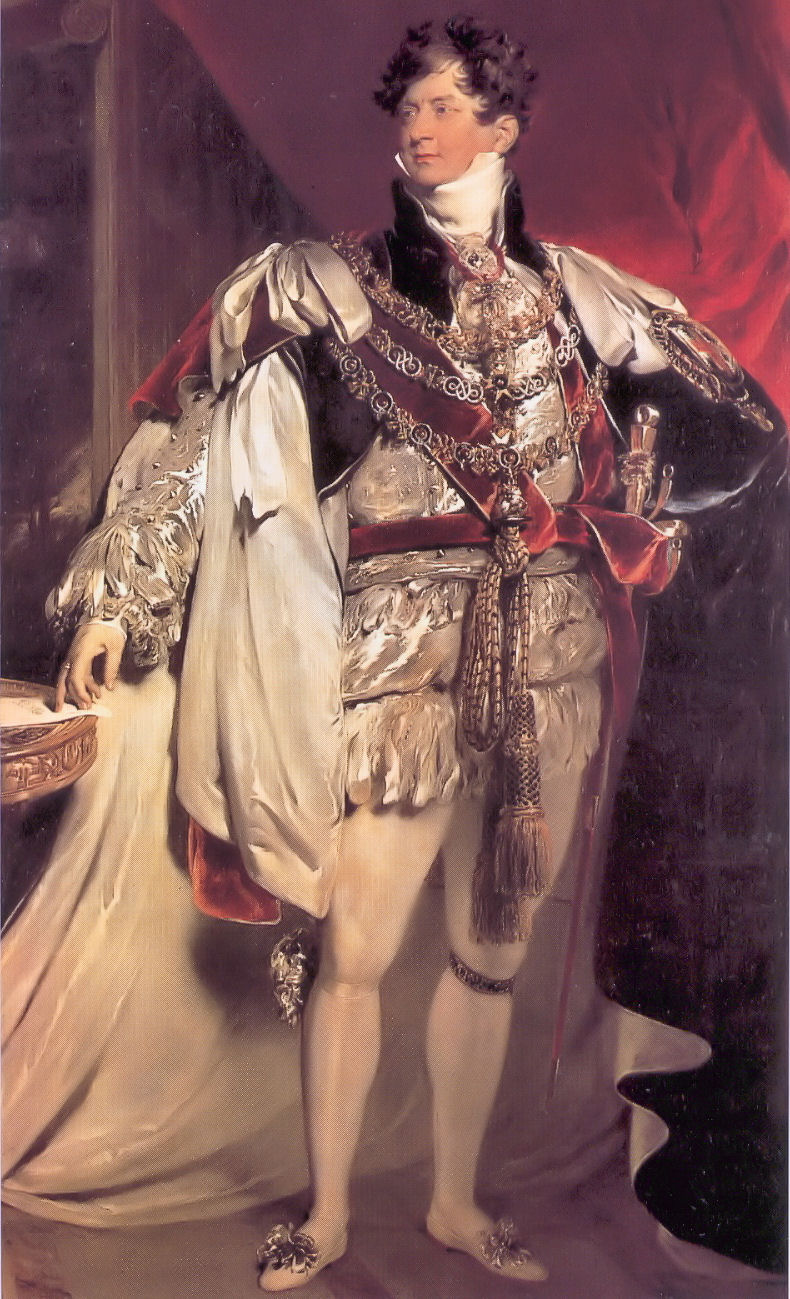
 lovers include, the Duke of Dorset, Duke of Ancaster, Earl of Derby, Viscount Bolingbroke, Lord George Cavendish (The Duke of Devonshire's brother), and, of course, the Prince of Wales. Elizabeth must have been very good at her craft! She was even good enough to buy herself the Armistead House. A famous story the Devonshire set like to joke about (along with everyone else) was when Lord George Cavendish came to Elizabeth's house one night after a few too many drinks. When he was refused admittance he barged in anyway. He went straight to her chamber, opened her door and, candle in hand, discovered the Prince of Wales cowering behind the door. Lord George burst out laughing, made a low bow and walked the whole way home, laughing. He had a much better sense of humor than his brother.
One person who was certainly not laughing was Perdita. She was very upset that the prince had spurned her love for that of "The Armistead."* Since both women were both celebrities, the papers capitalized on Perdita's anguish by gleefully supplying stories of the two women's rivalry. Luckily for Perdita, the prince broke things off with Elizabeth and moved on to Grace Dalrymple Elliot. Elizabeth herself moved on to bigger and better fish. That fish just happened to be a Fox.
After a string of lovers later, Charles James Fox was now the sad, rejected lover of Perdita. He somehow found consolation in the arms of Elizabeth. But neither politician nor courtesan thought that they would end up falling in love. For the first time it appeared that Elizabeth was in love with one of her clients, and he loved her back. However, years of drinking, gambling, and womanizing didn't leave Fox with enough money to sustain Elizabeth's pricey lifestyle. She resisted his advances but finally gave in and by 1783 she settled down to a monogomous relationship with Fox. In 1795 they secretly wed. Who would have thought that these two party animals could settle down and become models of marital bliss? But there they were in their cosey London home, hosting dinners and gardening. Yes, gardening!
Fox surprised everyone in 1802, including his best friends, when he revealed that he and Elizabeth had been married for seven years. His true friends, like Georgiana, warmly accepted the "fallen" woman knowing the strength of the couple's love. When Fox lay on his deathbed four years later his last words were to his beloved wife, "It don't signify my dearest, dearest Liz." Although, heartbroken, the ever-independent Elizabeth went on to live for many years, watching many of her and her husbands friends pass into the next world. She died at the ripe old age of 91 in 1842.
For more information on Elizabeth and Fox's love story check out Scandalous Women.
*The papers liked to refer to courtesans as if they were boats, because many men boarded them. This is how the nickname for Elizabeth came to be.