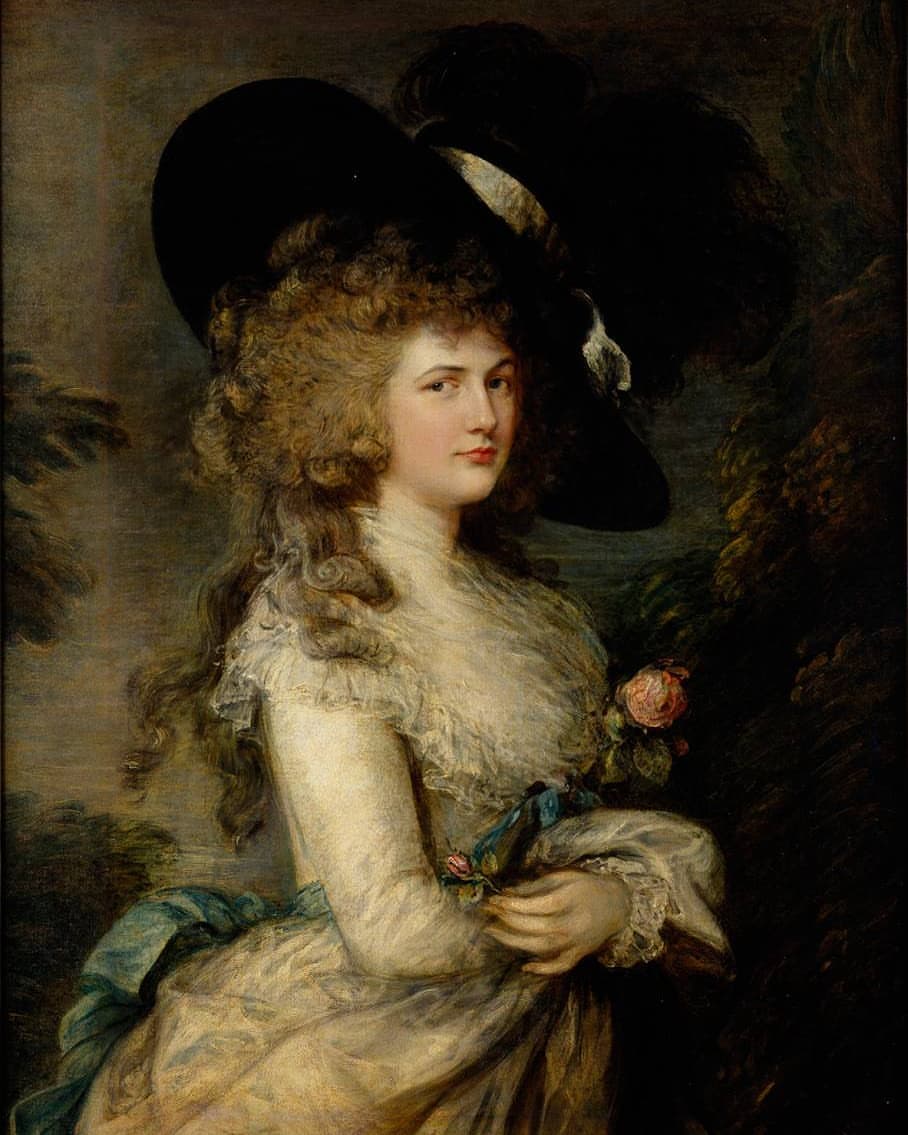
Georgiana is known mostly for the circus that was the Westminster Election of 1784 despite the fact that she was an experienced campaigner. She, her mother and her sister were known to canvass in the Spencer-claimed, St Albans. A lovely anecdote from one of the St Albans campaigns shows both how at ease Georgiana was with all classes and also why she appealed to so many. While visiting a butcher (how ironic) to appeal for his vote she stepped out of her carriage and tore her shoe so much that it wouldn't stay on, to which she kicked it off and with a smile said, "I gladly serve my friends, even bare-footed."
Smooth as the silk (on her torn shoe), that duchess!
Showing posts with label Politics. Show all posts
Thursday, August 23, 2012
Thursday, June 21, 2012
The Duke of Bedford Causes a Stir
"Indeed we are all undone,"
These were Georgiana's distressed words to Lady Melbourne in 1802. Political catastrophe was first thing on the two ladies minds; she continued, "no possible event could have so thoroughly overtuned the habit of our society as this.'
The Duke of Bedford was considering, do I dare say it? 'tis truly horrible...a Tory for a wife.
Yes, the prominent Whig was not just crossing over to the dark side, he was crossing over to the deep-dark side; he was considering the Duchess of Gordon's daughter as a wife. That would mean having Tories for in-laws. Georgiana saw him as good as turned just from mere proximity to that Tory temptress!
She also blamed herself for this whole debacle. Bedford had once been after her eldest daughter, Little G but she instead ended up marrying Lord Morpeth. He had also been canoodling with the widely available Lady Melbourne for fun. Although Little G marrying some other dude didn't hurt Bedford's feelings, Georgiana not paying him back money she owed him when he was short on cash did. He refused to speak to her, and not long after was courting Georgina Gordon.
Georgiana and Lady Melbourne expected the worst but they certainly didn't expect the duke to suddenly drop dead while playing tennis three weeks later. Neither did the notorious husband-hunter Duchess of Gordon; she and her daughter were severely lampooned by satirical artists for their fruitless labour of love.
These were Georgiana's distressed words to Lady Melbourne in 1802. Political catastrophe was first thing on the two ladies minds; she continued, "no possible event could have so thoroughly overtuned the habit of our society as this.'
The Duke of Bedford was considering, do I dare say it? 'tis truly horrible...a Tory for a wife.
Yes, the prominent Whig was not just crossing over to the dark side, he was crossing over to the deep-dark side; he was considering the Duchess of Gordon's daughter as a wife. That would mean having Tories for in-laws. Georgiana saw him as good as turned just from mere proximity to that Tory temptress!
She also blamed herself for this whole debacle. Bedford had once been after her eldest daughter, Little G but she instead ended up marrying Lord Morpeth. He had also been canoodling with the widely available Lady Melbourne for fun. Although Little G marrying some other dude didn't hurt Bedford's feelings, Georgiana not paying him back money she owed him when he was short on cash did. He refused to speak to her, and not long after was courting Georgina Gordon.
Georgiana and Lady Melbourne expected the worst but they certainly didn't expect the duke to suddenly drop dead while playing tennis three weeks later. Neither did the notorious husband-hunter Duchess of Gordon; she and her daughter were severely lampooned by satirical artists for their fruitless labour of love.
Tuesday, July 12, 2011
The Hamilton Burr Duel: A Tale of New York Politicians Suitable for MTV Reality Programing
Many know that Alexander Hamilton was killed by Aaron Burr in duel and yet do not know the particulars of the circumstances. For example, Burr was actually serving as vice president at the time when he killed Hamilton in the duel which sheds some light on just how far a political squabble can go.
The Duelers
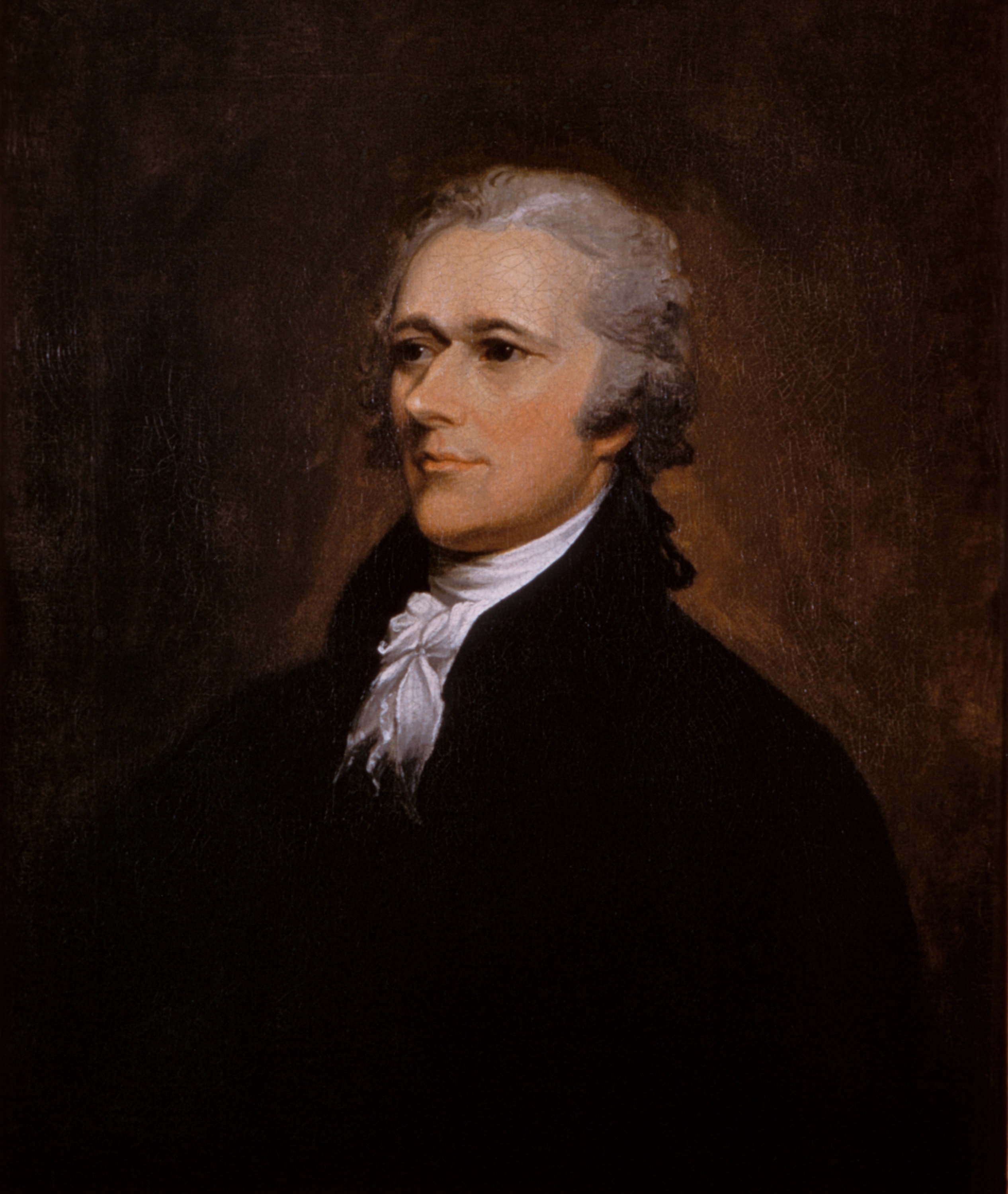
Alexander Hamilton- Federalist, Guy on $10 bill, New Yorker, Columbia graduate, war hero, politician and first ever Secretary of Treasury.
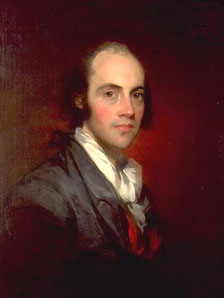
Aaron Burr- Republican, Jersey boy, New York politician, Princeton graduate, Mary Wollstonecraft fan and femenist, and third Vice President.
The Deal
Here's the skinny. Aaron Burr, like Benedict Arnold gets painted in impressionable little American children's heads as this bad guy when they learn their fundamental history. Yes, you can easily counter with the fact that he is a murderer but one must look at the background before they cast any stones. Burr and Hamilton had it out for each other from the start. The two New York politicians were very competitive with each other and had a long history of taking (figurative) punches at one another. Burr saw that Hamilton's true opinion on John Adams was published (obtained from papers that were supposed to be secret) and Hamilton saw that Burr didn't receive the presidency when he tied with Thomas Jefferson in votes. So both founding fathers had questionable conduct in the workplace but outside it were pretty decent guys (Burr loved Wollstonecraft so much he had her portrait hung above his mantel and had his daughter taught based on her teachings, along with how to shoot on horseback, so he was actually quite awesome.)
The Duel
Everything came to a head more than a decade after the two began officially hating each other. The year was 1804 and the race for New York governor was on. Burr wanted the position so badly that he ran as an independent and the thought of Burr running his beloved New York state was sickening to Hamilton. Once again Hamilton did everything in his power to dissuade the voting in favor of Burr and was pleased when things turned out in his favor. But Hamilton couldn't just leave things as they were; nope, he was just as much of a grudge-queen as I, and continued to bad mouth the defeated Burr. These ramblings were published in an Albany newspaper.
Embarrassed, ticked-off, and hoping that a duel would revive his political career, Burr demanded satisfaction. Hamilton didn't want to fight, but what could he do? If he didn't duel it would be like saying Burr was right, and he (Hamilton) had no honor. No that wouldn't do at all! So at dawn on July 11, 1804 the two met on the dueling grounds of Weehawken, New Jersey on which, three years previously, Hamilton's son had died in a duel. The two shot, Hamilton's bullet hit a branch above Burr and Burr's bullet hit Hamilton. Much debate has carried on through the ages about whether Hamilton misfired on purpose (a common dueling practice) but Burr would tell you that would be, "Contemptible, if true."
Hamilton died of the abdominal wound the on the following day, July 12. Burr was charged with two counts of murder and treason. Needless to say, after his term as Vice President ended he never held a political office again. Burr shot his career dead along with Hamilton, so one could easily argue that Hamilton got the last word in this famous political rivalry.
For a drunken recap of the story check out the 4th video on this post.
The Duelers
Alexander Hamilton- Federalist, Guy on $10 bill, New Yorker, Columbia graduate, war hero, politician and first ever Secretary of Treasury.
Aaron Burr- Republican, Jersey boy, New York politician, Princeton graduate, Mary Wollstonecraft fan and femenist, and third Vice President.
The Deal
Here's the skinny. Aaron Burr, like Benedict Arnold gets painted in impressionable little American children's heads as this bad guy when they learn their fundamental history. Yes, you can easily counter with the fact that he is a murderer but one must look at the background before they cast any stones. Burr and Hamilton had it out for each other from the start. The two New York politicians were very competitive with each other and had a long history of taking (figurative) punches at one another. Burr saw that Hamilton's true opinion on John Adams was published (obtained from papers that were supposed to be secret) and Hamilton saw that Burr didn't receive the presidency when he tied with Thomas Jefferson in votes. So both founding fathers had questionable conduct in the workplace but outside it were pretty decent guys (Burr loved Wollstonecraft so much he had her portrait hung above his mantel and had his daughter taught based on her teachings, along with how to shoot on horseback, so he was actually quite awesome.)The Duel
Everything came to a head more than a decade after the two began officially hating each other. The year was 1804 and the race for New York governor was on. Burr wanted the position so badly that he ran as an independent and the thought of Burr running his beloved New York state was sickening to Hamilton. Once again Hamilton did everything in his power to dissuade the voting in favor of Burr and was pleased when things turned out in his favor. But Hamilton couldn't just leave things as they were; nope, he was just as much of a grudge-queen as I, and continued to bad mouth the defeated Burr. These ramblings were published in an Albany newspaper.
Embarrassed, ticked-off, and hoping that a duel would revive his political career, Burr demanded satisfaction. Hamilton didn't want to fight, but what could he do? If he didn't duel it would be like saying Burr was right, and he (Hamilton) had no honor. No that wouldn't do at all! So at dawn on July 11, 1804 the two met on the dueling grounds of Weehawken, New Jersey on which, three years previously, Hamilton's son had died in a duel. The two shot, Hamilton's bullet hit a branch above Burr and Burr's bullet hit Hamilton. Much debate has carried on through the ages about whether Hamilton misfired on purpose (a common dueling practice) but Burr would tell you that would be, "Contemptible, if true."
Hamilton died of the abdominal wound the on the following day, July 12. Burr was charged with two counts of murder and treason. Needless to say, after his term as Vice President ended he never held a political office again. Burr shot his career dead along with Hamilton, so one could easily argue that Hamilton got the last word in this famous political rivalry.
For a drunken recap of the story check out the 4th video on this post.
Thursday, July 16, 2009
Whigs in the Air
In the early 1780s everyone had hot air balloon fever. Prints, jewelery, and decor all reflected the public's new found love for aeronautics. Always the excellent PR agent, Georgiana wondered if she could woo the public on behalf of the Whigs by giving them a balloon show. First Georgiana had to woo the aeronautic Jean-Pierre Blanchard and once he was under her finger she offered to sponsor a public balloon display in Grosvenor Square.Every self-respecting Whig gathered in the chilly December air to witness the hot air balloon decked out in blue and buff. Georgiana herself released the tethers and the balloon was later dubbed the Devonshire Aerial Yacht. For a moment the streets of London came to a standstill while everyone raised their eyes to the sky to see the ship that could defy Newton's law. Georgiana's PR feat was a success. She now knew that the key ingredient to getting positive political attention was to distract with something everyone liked, no matter how un-related the two items were.
Wednesday, May 27, 2009
The Results are In!
Last month I began a poll to see if my blog readership mostly consisted of Tories or Whigs. Well the results are overwhelming Whig (84% in fact). It seems most favor the same political party our beloved duchess subscribed to.Which makes me feel a bit like the Morning Chronicle.
The 18th century saw the birth of the press as we know it and, more importantly, freedom of press. Because of these two aspects, newspapers tended to lean toward certain political opinions, just as certain television networks do now. The Morning Post favoured the Tories whilst the Morning Chronicle favoured the Whigs. While Georgiana was canvassing in the 1784 election, the Morning Post was notoriously badmouthing her every move and making up scathing falsities. But of course the Morning Chronicle was not without its own faults; no newspaper was truly innocent.
I guess my humble blog is also just as guilty for favouring the Whigs, so I apologize to my 17 beloved Tory readers. Don't worry though...I sense more Tory-ish posts in the future.
Thursday, April 16, 2009
Voting Registry
I was thinking on this fine, sunny day how it was perfect weather for a good canvass. Then I remembered, why this was canvassing season after all! When Georgiana infamously canvassed for Charles James Fox in the 1784 Westminster election, she began in April and went into May. So my faithful citizens of the blogosphere, it is time for you to do your duty and register in your political party of choice. And no, Independent is not an option! We're talking serious politics here! Everyone knows the only two real parties are Tory and Whig. So which one are you?
You might be a Tory if:
You might be a Whig if:
You might be a Tory if:
- You support the King's right to the direction of state
- You support or attended Oxford
- You would rather have a mad king on the throne than a party-animal prince
- You are not totally opposed to slavery...the prices of massages these day, sheesh!
- You tend to be a bit conservative
- You think religion is very important, and by religion I mean the only religion, Anglican!
- You are a fan of William Pitt, even if he won't admit he's really a Tory
- You wouldn't mind kidnapping someone in the name of getting the right person elected.
- You think of yourself as old-fashioned, because some values should never go extinct
You might be a Whig if:
- You constantly find yourself out with the lads at the local Gentlemen's Club
- You support or attended Cambridge
- You think the King is great and all but...Parliament should have more say than one guy!
- Any religion is good with you, pass the wine!
- You are from a great aristocratic family
- You like free trade
- You think slavery is abominable
- You think a good old-fashioned revolution is good for a country
- You think the colour combination of blue and buff could just never go out of style
Tuesday, April 7, 2009
Quotables

"If all my Cuckolds desert, I will be beaten indeed!"
-Prime Minister, Lord North, in response to being told that Sir Richard Worsley would miss a parliamentary vote due to his Crim Con suit
Tuesday, January 20, 2009
Change in the Colonies

"About 10 o'clock I bade adieu to Mount Vernon, to private life, and to domestic felicity, and with a mind oppressed with more anxious and painful sensations than I have words to express, set out for New York in company with Mr. Thompson, and Colonel Humphries, with the best dispositions to render service to my country in obedience to its call, but with less hope of answering its expectations."
On 30 April 1789 George Washington was sworn in as the first president of the United States of America in New York City. Washington was hesitant of the post at first; a hard thing to imagine with all the time and money that goes into campaigning today. He flat out refused to be king when that leadership title was suggested. Washington even declined the $25,000 salary because he felt he had enough money and the salary could be better used elsewhere. This act of selflessness was meant to be an example to the new citizens of America of the founding morals of the new country.
Washington's inauguration speech was addressed to the Senate and House of Representatives rather than the whole country (or whoever was outside the Federal Building at the time). He fumbled nervously through his speech, obviously more comfortable leading his troops than wooing politicians. In the end, the shy politician who never subscribed to a political party served two terms and became a leader whom all future presidents attempted to live up to.
"On the one hand, I was summoned by my country, whose voice I can never hear but with veneration and love, from a retreat which I had chosen with the fondest predilection, and, in my flattering hopes, with an immutable decision, as the asylum of my declining years—a retreat which was rendered every day more necessary as well as more dear to me by the addition of habit to inclination, and of frequent interruptions in my health to the gradual waste committed on it by time."
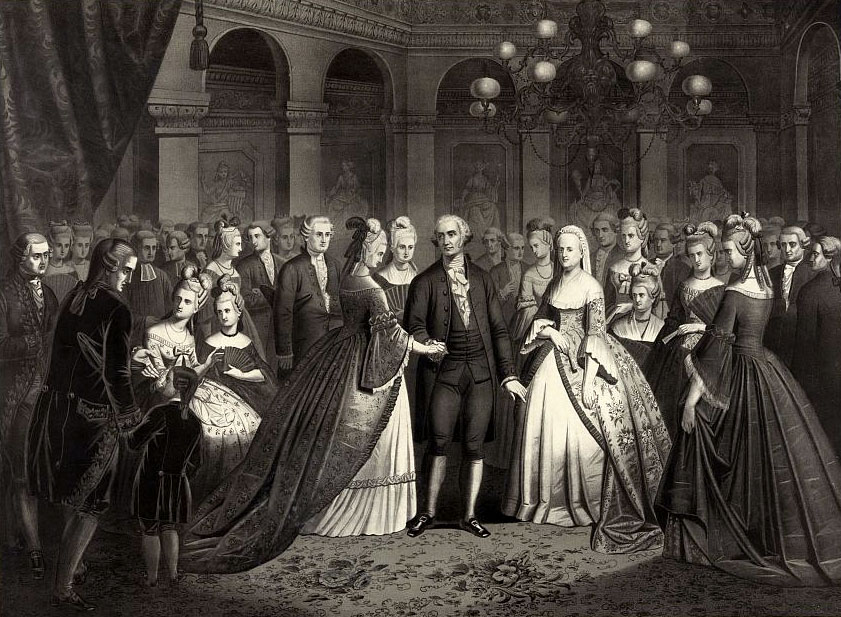
Excerpt Washington's Inaugural Speech 30 April, 1789
Tuesday, November 4, 2008
The Westminister Election of 1784

Every liberal mind revolts at the wretched abuse now leveled at the most amiable of our country women! The base and blurring hand of calumny, however, is raised in vain against the lovely DEVON and her SISTER PATRIOTS, who at this juncture, so much resemble the fair celestials of the Grecian bard, whose attributes of divinity never appeared so brilliant as when forming a shield for the HEROIC LEADER of the OPRESSED PEOPLE!
The Morning Herald and Daily Advertiser, 24 April 1784
As the world watches in anticipation of the US election (I know that sounds pompous but unfortunately is true), I thought today would be an appropriate day to talk of an election that was very important to Georgiana. This election went down in infamy because, for the first time, it appeared as if women could make an impact in politics.
The 1783 election of Pitt as Prime Minister sent the Whigs scrambling to secure a dominance over the the Tory MPs. Charles Fox, perhaps the biggest Whig of all, decided a good way to do this would be to run for a seat in the borough of Westminster. Westminster was perhaps the most coveted borough due to its voter size and the fact that it could boast that every male homeowner could vote, unlike other boroughs. Two seats were up for grabs, and there were only three candidates: Fox; the naval hero, Lord Hood; and the rich landowner, Sir Cecil Wray. It was one Whig verses two Pittites and Fox needed all the help he could get.
Of course, this is the 18th century, so things were done a little differently...and maybe, were a little more fun. If you went to the theatre at this time you may have gone just for the circus of the elections. On one side the Duchess of Rutland would be screaming from her opera box, "Damn Fox!" while Lady Maria Waldengrave would retort with, "Damn Pitt!" Ladies, ladies, please; I am trying to enjoy La Reine de Golconde! Obviously, aristocratic women were getting more passionate about politics, despite not being able to vote.Georgiana loved this circus and decided to put herself right in the middle of it. One can only wonder if she knew what she was getting involved in. She became the ringleader of aristocratic ladies canvassing night and day for Fox. Walking through the cobbled streets with foxtails in her hat, Georgiana would hand out medals to those who professed their support to Fox. Sometimes she would even go door to door into the middle and working class homes to talk to the voters who were on the fence. Her Grace was even known to thrown down a beer with Joe the
Georgiana wasn't the only one working her butt off. The person who was by her side almost every day was her devoted sister (to both her and the Whigs), Harriet. Other canvassing team leaders were Mrs. Crewe and Mrs. Damer. The women/tarts who made up these teams consisted of, The Duchess of Portland, the three Ladies Waldengrave, Lady Jersey, Lady Carlisle, Mrs. Bouverie, Lady Worsley, Mrs. Robinson, and Lady Archer.
Of course, being a woman in a man's world and a man's race made Georgiana the target for
scathing lies about her methods of securing votes. When rumours came about that Georgiana had exchanged a kiss with a butcher for a vote for Fox, the press ran away with it. Although, Harriet (and maybe the other canvassers) did this, Georgiana always fervently denied doing it. In fact, a bunch of Hood supporters cornered her when she was in their shop canvassing, and demanded kisses of the frightened duchess. The male-driven press and opposing party just couldn't accept that Georgiana's wit and charisma were winning votes, and not her sexual abilities. In satirical prints, and all-out war erupted, with one side criticizing her for kissing butchers, and the other hailing her as an allegory for politics and justice. Hundreds of these prints were published (and are on my broken laptop) but what was and is noticeable is the absence of criticism of the few Tory women-canvassers. Apparently, the campaign was also a celebrity-competition.After all the criticism and exhaustion Georgiana retired from canvassing. But the votes were so close she was begged to come back. Against her mother's wishes, she returned to canvassing and not a minute too soon too, Fox won the second seat over Wray by 200 votes. Georgiana and the other ladies' efforts did not go to waste.
I will make the argument that without these patriotic women's help, Fox would not have won the election. He was criticized for being quite lazy in the process while his canvassers blistered their feet campaigning for him. He also was behind in the polls many times, and would sulk and become a recluse at Brooks as a reaction, all while his supporters tireless converted voters. The 1784 Westminster Election upset many because it proved that women (shock!) could change the results of an election.
Tuesday, September 2, 2008
Hunk Alert: Richard Brinsley Sheridan

SWM, Playwright/Politician, widower, Fashionably skinny, Scorpio, seeking a good-looking woman (or two) who likes to have fun.
Likes: The ladies, celebrity gossip
I enjoy living on the edge; I work hard, play hard and like to rack up a lot of debt doing it. I have two passions: politics and the arts. I am a successful playwright, perhaps you've heard of my more-successful play The School For Scandal? Yeah that came from this genius. I'm a die-hard Whig and when I'm not in the theatre you will find me in Parliament passionately fighting for a cause. Some jerks (I bet it was Burke!) claim I'm hypocritical and tend to be disloyal, but I beg to differ.
I am looking for a glamorous party-goer, who doesn't mind the spotlight. I'll take both married and single ones; I'm not picky. Must be open-minded and like to roll the dice.
Friday, August 29, 2008
Tart of the Week: Jane, Duchess of Gordon

Jane was the Tory version of Georgiana and her fiercest rival. Indeed the two women were foils, Jane being an outspoken Scot with a competitive nature loved being a Tory hostess just as much as Georgiana enjoyed being a
Whig one. But upon closer examination of this tart we find that the two women had a lot in common and if they weren't so similar they may have been the best of friends.Jane Maxwell was the daughter of a typical poor, drunken baronet. While her father sold off his lands to pay his debt her mother educated her and her sisters in Edinburgh. When she was 14 Jane accidentally jammed a finger from her right hand in a carriage wheel and when it moved away it took her finger with it. From then on she usually wore gloves with a false wooden finger. By the time she was 16 she was so beautiful songs were being written in her honor. She had fallen in love with a young soldier but he went off to fight and was presumed dead so when the dashing 24 year old Duke of Gordon asked for her hand she said yes. It was on her honeymoon with the Duke that Jane received a letter from her lost love asking for her hand in marriage. She fainted upon reading it.
Their marriage quickly proved to be a loveless one. Jane's first son was born around the same time as a mistress gave birth to her husband's bastard. They were both named George, “My George and the Duke’s George.” The Duke continued to have affairs and Jane, never to be outdone, had some of her own, notably Henry Dundas, William Pitt's best friend. She threw lavish parties, never hid her Scottish brogue, and was known to proudly wear her tartan despite them being outlawed. Rock on, Jane. King George was said to have been a big fan of hers, which is probably why she got away with sporting the tartan.As for politics, well, Jane fought dirty. During the 1780 election she even kidnapped a man and locked him in her cellar to secure the seat for a friend of hers. She hated the success and popularity of the parties Georgiana threw in celebration of the Whigs and attempted to create the Tory versions. Pitt, seeing the influence Georgiana had on the popularity of candidates, happily allowed Jane to throw parties in his honour in hopes of the same success. During the regency crisis she came close to usurping Georgiana as the prime social hostess and even looked like she would replace her as queen of the ton. Jane smugly invited Georgiana and Harriet to the House of Commons to listen to speeches after a Whig defeat and relished in their curt refusal. She had won this round. But unfortunately for her, no one can outdo the Duchess of Devonshire.
Despite the unhappiness of her marriage, Jane loved her status as a duchess and became
After being separated from her husband for years the couple finally divorced in 1805. She spent the remainder of her lonely years fighting with him over receiving the full annuities he promised her. She died in London in 1812 and her body was laid to rest in her beloved Scotland.
Tuesday, August 26, 2008
The Colors of Politics
As Caroline Weber theorizes in her amazing book, Queen of Fashion, the vogue du jour contained greater meaning and had a greater effect in the 18th century than it does today. Weber goes as far to hypothesize that it was Marie Antoinette's wardrobe that had a monumental effect in her fall from grace and gives great evidence to support her theory. On the other side of the channel, Georgiana was just as much of a fashion icon and her influences had similar effects in society. Fashion played a significant part in politics as well. In a time where television was not there to force politics into the faces of the countrymen, fashion, and more specifically color.So what palette was was appropriate for your wardrobe?

If you were a supporter of the Whig party, you could show your support in ensembles of blue and buff. These colors graced the uniforms of the American revolutionaries and were adopted by the Whigs who commiserated to the colonists' plight under King George.
If your sentiments tended to favor the Tory party, then another fashionable color option was laid before you. Green was their color of choice and was publicized in portraits of loyal Tories such as Banstre Tarleton.
Wednesday, June 25, 2008
Righty and Lefty
Now artists and politics are notorious for not mixing well. Two great examples of that would be David and Hitler. While artists should never give up their day job for politics, they historically can be successful involving themselves minimally in politics. Of course I am specifically thinking of Gainsborough and Reynolds when I say this.
The two artists were notorious rivals and actually quite opposite of each other. Gainsborough was rather reserved and tended to side with King George on political issues, therefore he was associated with the Tories. On the opposite spectrum was Reynolds, who was more outspoken and bold. He was the head of the Royal Academy and therefore left King George no choice to name him as the royal painter. Reynolds' political views tended to be more liberal and his friends tended to be Whigs, creating a further polarity between him and the quiet Gainsborough. The royal family actually always preferred Gainsborough, and continued to commission works from him even after naming Reynolds the royal painter.


I find that comparing both artists' depictions of their politician counterparts produces some interesting results. Charles James Fox and William Pitt the Younger were political rivals just as Gainsborough and Reynolds were artistic ones. Judging from their portraits, the individual artists' aesthetic styles aren't the only things separating the sitters. Fox's girth strongly contrasts with Pitt's narrow frame. Fox sloppily wears blue while Pitt favors a neat black. Reynold's cakey application of paint accurately displays the psychological boldness of Fox. The wispy strands that distinguish Gainsborough's strokes meet in a cohesive and neat form to display Pitt, who devoted himself to peacing together a neat infrastructure of government out of the surrounding chaos. The amazing contemporary artist, Julie Heffernan theorizes that every painting an artist creates is a self-portrait because it shows the artist; these examples make truth of her statement.
Despite being rivals, both artists remained successful. Aristocrats such as Georgiana were rich enough to be painted multiple times by both artists. I think Reynolds' esteem and general fondness for her shines through in his images of her in comparison to Gainsborough's, which seem seem to falter usually for him. However I should note that Gainsborough did throw down his brush in frustration upon his dissatisfaction of being able to portray her likeness. Ah, the price of perfection!


Left: Gainsborough, 1783 Right: Reynolds, 1776
The two artists were notorious rivals and actually quite opposite of each other. Gainsborough was rather reserved and tended to side with King George on political issues, therefore he was associated with the Tories. On the opposite spectrum was Reynolds, who was more outspoken and bold. He was the head of the Royal Academy and therefore left King George no choice to name him as the royal painter. Reynolds' political views tended to be more liberal and his friends tended to be Whigs, creating a further polarity between him and the quiet Gainsborough. The royal family actually always preferred Gainsborough, and continued to commission works from him even after naming Reynolds the royal painter.


I find that comparing both artists' depictions of their politician counterparts produces some interesting results. Charles James Fox and William Pitt the Younger were political rivals just as Gainsborough and Reynolds were artistic ones. Judging from their portraits, the individual artists' aesthetic styles aren't the only things separating the sitters. Fox's girth strongly contrasts with Pitt's narrow frame. Fox sloppily wears blue while Pitt favors a neat black. Reynold's cakey application of paint accurately displays the psychological boldness of Fox. The wispy strands that distinguish Gainsborough's strokes meet in a cohesive and neat form to display Pitt, who devoted himself to peacing together a neat infrastructure of government out of the surrounding chaos. The amazing contemporary artist, Julie Heffernan theorizes that every painting an artist creates is a self-portrait because it shows the artist; these examples make truth of her statement.
Despite being rivals, both artists remained successful. Aristocrats such as Georgiana were rich enough to be painted multiple times by both artists. I think Reynolds' esteem and general fondness for her shines through in his images of her in comparison to Gainsborough's, which seem seem to falter usually for him. However I should note that Gainsborough did throw down his brush in frustration upon his dissatisfaction of being able to portray her likeness. Ah, the price of perfection!


Left: Gainsborough, 1783 Right: Reynolds, 1776
Subscribe to:
Posts (Atom)